How to Add Luxury to Your Home: 15 Designer-Approved Styling Tips
Luxury is not always about expensive furniture, grand chandeliers, or filling every corner of your home with decorative accessories. Sometimes, it is the smallest details that make a space feel extraordinary. A beautifully arranged living room, thoughtfully layered lighting, elegant fabrics, or a carefully selected piece of artwork can completely transform the atmosphere of a home.
Think about the last time you entered a beautifully designed hotel suite or an elegant residence. What made it feel luxurious? Was it the comfortable seating, harmonious colours, soft lighting, or the way everything seemed to belong together?
The secret often lies in thoughtful design rather than excessive spending.
If you are wondering how to bring luxury to your home, the good news is that you do not necessarily need a complete renovation. With the right styling decisions, even an ordinary apartment can feel sophisticated, welcoming, and visually appealing.
From selecting timeless furniture to introducing rich textures and statement lighting, there are several ways to create a premium interior without compromising comfort or functionality.
In this guide, we explore 15 practical, designer-inspired home styling tips that can help you create an elegant living environment. Whether you prefer contemporary minimalism, modern luxury, or timeless classic interiors, these ideas will help you make your home look more refined and thoughtfully designed.
What Makes a Home Look Luxurious?
Before exploring individual styling ideas, it is important to understand what luxury means in interior design.
A luxurious home is not necessarily the one with the most expensive materials. Instead, it is a space where every element contributes to a cohesive and comfortable environment.
Successful luxury interiors often share several characteristics:
- A balanced and coordinated colour palette.
- Furniture that complements the proportions of each room.
- High-quality materials and thoughtful finishes.
- Comfortable lighting suited to different activities.
- A combination of textures that adds visual depth.
- Carefully selected decorative accessories.
- Organised spaces with minimal visual clutter.
- Personal details that reflect the homeowner’s lifestyle.
The most effective luxury home styling approach focuses on quality, proportion, and visual harmony.
For example, a living room featuring a well-proportioned sofa, elegant curtains, warm lighting, and one statement artwork can feel more sophisticated than a room filled with expensive but mismatched decorative pieces.
With this principle in mind, let’s explore how to create a luxurious atmosphere throughout your home.
15 Designer-Approved Styling Tips to Bring Luxury to Your Home
1. Start with a Sophisticated Colour Palette
Colour plays an important role in determining how a room looks and feels.
One of the easiest ways to bring luxury to your home is to establish a consistent colour palette that creates visual harmony.
Neutral shades such as ivory, beige, taupe, warm grey, and off-white provide an elegant foundation. These colours work particularly well because they allow furniture, artwork, and decorative elements to stand out without making the room feel overwhelming.
However, luxurious interiors do not have to be entirely neutral.
Deep green, navy blue, burgundy, charcoal, and earthy brown can introduce richness when used thoughtfully.
Styling tip: Choose one dominant colour, one supporting colour, and a limited number of accent shades. Repeat these colours through furniture, cushions, curtains, and accessories to create a coordinated appearance.
For example, a living room with ivory walls, walnut furniture, olive-green upholstery, and subtle brass accents can feel sophisticated without excessive decoration.
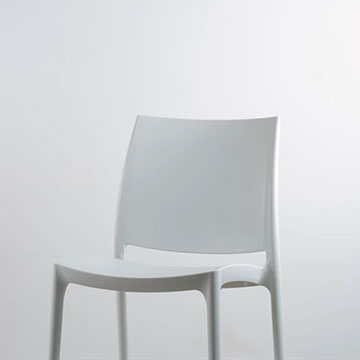
2. Invest in Statement Furniture
Furniture is often the visual foundation of a room. Its shape, scale, material, and placement can influence the entire interior.
Instead of purchasing numerous decorative pieces, consider investing in one or two statement furniture items.
A beautifully designed sofa, an elegant dining table, or a distinctive accent chair can create a strong focal point.
The key is selecting furniture that complements the room’s proportions.
An oversized sofa may look impressive in a showroom but can make a compact apartment feel crowded. Similarly, furniture that is too small can appear disconnected in a spacious living area.
Styling tip: Prioritise timeless shapes, comfortable upholstery, durable construction, and materials that suit your lifestyle.
Luxury is most convincing when beautiful furniture is also comfortable to use.
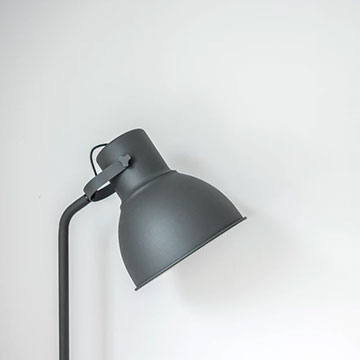
3. Use Layered Lighting to Create an Elegant Atmosphere
Lighting is one of the most powerful elements in interior design.
Even a beautifully furnished room can appear flat or uninviting when lighting is poorly planned.
Professional designers often use layered lighting to create depth and flexibility.
There are three main lighting layers:
- Ambient lighting: Provides general illumination through ceiling lights, recessed fixtures, or other primary sources.
- Task lighting: Supports specific activities such as reading, cooking, or working.
- Accent lighting: Highlights artwork, architectural features, decorative walls, or selected objects.
Combining these layers allows you to change the atmosphere according to the time of day and intended activity.
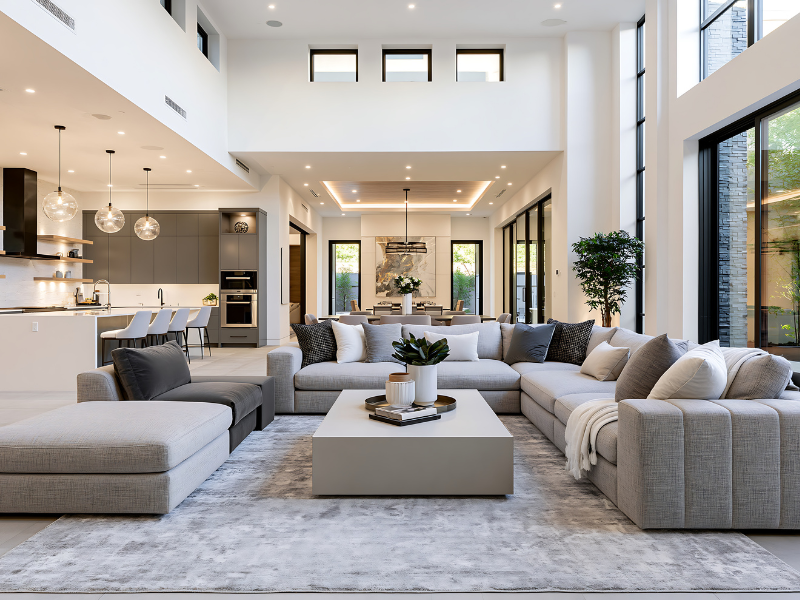
For example, a living room may feature recessed ceiling lights, a decorative pendant, table lamps, and subtle accent lighting behind a display unit.
Styling tip: Use dimmers where compatible and consider warm, comfortable lighting for relaxation areas. Ensure that task-oriented spaces still receive adequate illumination.
A well-designed lighting arrangement can make an ordinary room feel significantly more refined.
4. Introduce Rich Textures Through Fabrics and Furnishings
One of the most effective luxury interior design tips is to combine different textures.
A room decorated entirely with smooth surfaces may look clean but can sometimes feel visually flat.
Introducing textured materials adds warmth, depth, and interest.
Consider combining:
- Velvet or textured upholstery.
- Linen curtains.
- Wool or blended-fibre rugs.
- Cotton cushions.
- Wooden furniture.
- Stone or ceramic accessories.
- Metallic decorative accents.
For example, a neutral sofa can be styled with textured cushions, a soft throw, and a carefully selected area rug.
The combination creates visual richness without requiring dramatic colours.
Styling tip: Mix textures while maintaining a consistent colour palette. This helps the room feel layered rather than cluttered.
For Delhi homes, also consider dust exposure, seasonal temperature changes, and cleaning requirements before choosing delicate fabrics.
5. Make Your Curtains Look More Luxurious
Window treatments can dramatically influence the appearance of a room.
Short, poorly fitted curtains or mismatched blinds can interrupt an otherwise elegant interior.
For a more refined look, consider full-length curtains that visually connect the window area with the rest of the room.
Where the architecture allows, installing curtain tracks closer to the ceiling can create an impression of greater height.
Fabric selection is equally important.
Linen blends, textured weaves, and carefully selected blackout fabrics can create a sophisticated appearance while supporting privacy and light control.
Styling tip: Layer sheer curtains with heavier drapes to manage daylight and privacy throughout the day.
Choose colours that complement the walls and furniture rather than introducing unnecessary visual contrast.
6. Create a Statement Wall Without Overdecorating
A statement wall can add personality and visual interest to a room.
However, creating a luxurious interior does not mean covering every wall with decorative panels, bold wallpaper, or elaborate finishes.
The most successful feature walls are usually intentional and restrained.
Depending on your design style, consider:
- Subtle wall mouldings.
- Textured paint.
- Natural stone finishes.
- Wood panelling.
- Elegant wallpaper.
- A large statement artwork.
- Carefully planned architectural lighting.
For example, a bedroom can feel more sophisticated with a textured headboard wall and soft bedside lighting.
Similarly, a living room may benefit from one beautifully finished television or artwork wall rather than several competing decorative surfaces.
Styling tip: Choose one primary focal wall and allow the remaining surfaces to provide visual balance.
7. Add Mirrors to Enhance Light and Space
Mirrors are a practical styling element that can also create a more elegant interior.
When positioned thoughtfully, they reflect light, introduce visual depth, and make certain spaces appear more open.
A large mirror above a console table, for example, can create an attractive focal point in an entrance area.
Similarly, a mirror placed where it reflects a pleasant view or natural daylight can improve the visual experience of a room.
However, placement matters.
Avoid positioning mirrors where they reflect cluttered storage areas or create uncomfortable glare.
Styling tip: Choose frames that complement your interior style. Slim metallic frames work well in contemporary spaces, while wooden or decorative frames can suit more traditional interiors.
A well-placed mirror should feel like part of the overall design rather than an unrelated accessory.
8. Use Artwork to Give Your Home a Distinctive Identity
Artwork is one of the most personal ways to bring luxury to your home.
It introduces character, creates conversation points, and prevents interiors from feeling generic.
You do not need to purchase expensive original paintings to achieve a sophisticated look.
Thoughtfully selected prints, photographs, handcrafted pieces, and works by emerging artists can be equally effective.
The important factors are scale, placement, framing, and visual compatibility.
A large artwork above the sofa can anchor the living room, while a coordinated collection of smaller pieces may work beautifully in a hallway.
Styling tip: Avoid placing numerous unrelated pieces on every available wall. Give artwork sufficient surrounding space so it can be appreciated.
Choose pieces that genuinely appeal to you rather than selecting them only because they match a current trend.
9. Incorporate Natural Materials for Timeless Elegance
Natural materials are frequently used in sophisticated interiors because they introduce texture, variation, and a sense of authenticity.
Wood, stone, marble, linen, and other natural materials can create a warm and timeless atmosphere.
For example, a wooden dining table paired with upholstered chairs and a simple pendant light can feel elegant without requiring excessive decoration.
Similarly, stone-inspired surfaces and wooden accents can introduce depth to contemporary living rooms.
However, natural materials vary in maintenance requirements.
Certain stones require sealing, some wood finishes need additional care, and delicate surfaces may be unsuitable for high-traffic areas.
Styling tip: Use natural materials strategically. One beautifully selected surface or furniture piece can make a stronger impression than introducing several competing finishes.
Where appropriate, quality engineered alternatives can offer a similar visual effect with different maintenance characteristics.
10. Style Your Coffee Table and Console Thoughtfully
Small decorative arrangements can have a surprisingly strong influence on the overall appearance of a room.
Coffee tables, sideboards, and console tables provide opportunities to introduce carefully selected accessories.
However, overcrowding these surfaces can make a home feel disorganised.
Instead, create balanced arrangements using a limited number of objects.
For example, a coffee table may feature:
- A decorative tray.
- Two or three design or photography books.
- A ceramic vase.
- A small sculptural object.
- A simple floral arrangement.
Varying the height and shape of accessories creates visual interest.
Styling tip: Leave some empty space around decorative objects. This allows individual pieces to stand out and makes the arrangement easier to maintain.
The objective is to create a curated appearance rather than display every accessory you own.
11. Choose the Right Rug for Every Room
An area rug can visually connect furniture and make a room feel more complete.
It also introduces texture, warmth, and softness.
One common styling mistake is selecting a rug that is too small for the furniture arrangement.
In a living room, a properly sized rug should ideally help anchor the main seating area. Depending on the layout, the front legs of the sofa and accent chairs may rest on the rug.
In bedrooms, a rug can extend beyond the sides of the bed to provide a comfortable surface underfoot.
Styling tip: Select a rug according to room dimensions, furniture placement, and maintenance requirements.
A subtle textured rug can enhance a minimalist interior, while a patterned design may introduce character to a neutral room.
For homes with children or pets, durability and cleaning convenience should be considered alongside appearance.
12. Upgrade Small Details and Hardware
Luxury often reveals itself through the smallest details.
Cabinet handles, door hardware, switches, taps, and other frequently used elements can influence how polished a home feels.
You do not necessarily need to replace an entire kitchen or wardrobe to refresh its appearance.
Sometimes, upgrading outdated handles or coordinating visible hardware finishes can create a noticeable improvement.
Popular options include brushed brass, matte black, stainless steel, and satin nickel.
However, mixing too many metallic finishes can make the interior feel inconsistent.
Styling tip: Select one dominant hardware finish and repeat it thoughtfully across connected spaces.
Prioritise product quality, comfortable operation, and compatibility with existing fittings rather than appearance alone.
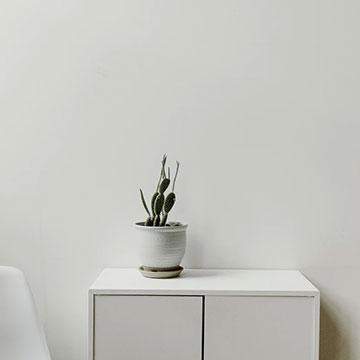
13. Bring Nature Indoors with Plants and Fresh Flowers
Plants and flowers introduce life, softness, and natural variation into interior spaces.
A well-positioned indoor plant can make a neutral room feel more welcoming, while a simple floral arrangement can add elegance to a dining or coffee table.
The key is choosing greenery according to actual light conditions and maintenance requirements.
Some plants tolerate lower-light environments, while others require bright indirect sunlight.
Artificial plants can also be used where maintaining live greenery is impractical, although realistic appearance and regular cleaning are important.
Styling tip: Avoid placing numerous small planters randomly around a room. One larger plant in a suitable corner or a coordinated arrangement can create a more refined effect.
Choose planters that complement your furniture and overall colour palette.
14. Create a Hotel-Inspired Bedroom
If you are wondering how to make your home look luxurious, the bedroom is an excellent place to begin.
Luxury hotel rooms often feel inviting because they combine comfortable bedding, balanced lighting, coordinated furnishings, and minimal visual clutter.
You can recreate this atmosphere without redesigning the entire room.
Start with a comfortable mattress and well-fitted bedding.
Introduce layered pillows, a neatly arranged throw, and bedside lighting that supports both reading and relaxation.
An upholstered or textured headboard can also create a strong visual focal point.
Keep bedside tables organised and avoid filling every surface with decorative accessories.
Styling tip: Use a coordinated bedding palette with subtle variations in texture. Soft whites, warm neutrals, earthy shades, and muted accent colours can create a calm, sophisticated environment.
The ultimate luxury in a bedroom is comfort, not excessive decoration.
15. Declutter and Focus on Quality Over Quantity
Perhaps the most important luxury home styling principle is knowing when to stop decorating.
Even premium furniture and expensive accessories can lose their impact when a room feels overcrowded.
A thoughtfully designed home provides enough visual space for individual elements to stand out.
Begin by removing items that no longer serve a functional or decorative purpose.
Organise everyday essentials inside appropriate storage units and keep frequently used surfaces manageable.
Instead of purchasing multiple inexpensive decorative accessories, consider investing gradually in fewer, better-quality pieces.
This approach can also support long-term sustainability by reducing unnecessary purchases.
Styling tip: Review each room and identify its main focal point. Arrange supporting elements around it rather than allowing every object to compete for attention.
A luxurious home should feel effortless, comfortable, and personal.
Practical Luxury Home Styling Examples
The following illustrative examples demonstrate how the principles discussed above can be applied to different residential spaces. They are hypothetical design scenarios, not claims about completed client projects.
Example 1: Transforming a Compact Living Room
The challenge: A small living room feels crowded because of oversized furniture, mismatched accessories, and insufficient lighting.
The styling approach:
Replace unnecessary furniture with a well-proportioned sofa and a compact coffee table. Introduce a coordinated neutral colour palette, full-length curtains, a suitable area rug, and layered lighting.
Complete the arrangement with one statement artwork and a limited number of decorative accessories.
Expected result: A visually balanced living room that feels more spacious, comfortable, and refined.
Example 2: Creating a Luxurious Bedroom Without Renovation
The challenge: A bedroom has functional furniture but lacks warmth and visual character.
The styling approach:
Introduce coordinated bedding, textured cushions, a soft throw, bedside lamps, and an upholstered headboard.
Replace mismatched accessories with a few carefully selected pieces.
Expected result: A calm, hotel-inspired bedroom that feels sophisticated without requiring extensive structural changes.
Example 3: Refreshing an Independent Home in Delhi NCR
The challenge: The home contains good-quality furniture, but the rooms feel disconnected because of inconsistent colours and decorative styles.
The styling approach:
Develop a coordinated palette that flows through the main living areas. Retain existing furniture where appropriate and introduce consistent hardware finishes, lighting, artwork, and textiles.
Expected result: A more cohesive interior that makes better use of existing furnishings while creating a refined overall appearance.
These examples demonstrate that luxury often comes from thoughtful editing and coordination rather than replacing everything in a home.
Common Mistakes That Can Make a Home Look Less Luxurious
When styling a home, it is easy to assume that adding more decorative features will create a more premium appearance.
However, excessive decoration can produce the opposite effect.
Here are some mistakes worth avoiding:
- Using too many colours: An inconsistent palette can make connected spaces feel visually disconnected.
- Choosing oversized furniture: Furniture that does not suit the room’s proportions can restrict movement and create clutter.
- Relying on one lighting source: A single bright ceiling light rarely provides the flexibility needed for different activities.
- Mixing too many decorative styles: Combining unrelated furniture, accessories, and finishes without a clear design direction can weaken visual harmony.
- Ignoring functionality: A beautiful interior should still be comfortable, accessible, and easy to maintain.
- Following every design trend: Highly trend-driven choices may feel dated sooner than timeless, well-considered elements.
The most effective approach is to create a home that reflects your personal taste while maintaining consistency throughout the space.
Why Professional Interior Styling Can Make a Difference
Although many luxury home styling ideas can be implemented independently, professional guidance can be valuable when you want a cohesive transformation.
An experienced interior designer evaluates the relationship between furniture, colour, lighting, materials, and spatial proportions.
Instead of focusing on individual decorative purchases, the designer considers how the entire space works together.
This can be particularly useful when furnishing a newly purchased property, renovating an existing home, or combining old and new furniture.
A professional can also help prioritise spending, avoid unsuitable material choices, and coordinate design decisions across different rooms.
For homeowners seeking a personalised approach, Artisans can be contacted to discuss interior design requirements, preferred styles, and project expectations.
Frequently Asked Questions About Luxury Home Styling
1. How can I bring luxury to my home without spending too much?
Start with affordable changes such as decluttering, introducing a coordinated colour palette, upgrading curtains, improving lighting, and rearranging existing furniture.
Invest gradually in statement pieces rather than purchasing numerous decorative accessories at once.
2. What colours make a home look luxurious?
Ivory, beige, taupe, warm grey, charcoal, deep green, navy, and earthy brown can all create sophisticated interiors.
However, colour coordination, lighting, and material selection are more important than choosing one particular luxury colour.
3. What is the easiest way to make a living room look expensive?
Focus on furniture proportions, layered lighting, coordinated curtains, a properly sized rug, and carefully selected artwork.
Removing unnecessary clutter can also make an immediate difference.
4. Can a small apartment look luxurious?
Absolutely. Small apartments can feel refined through thoughtful furniture selection, efficient storage, suitable lighting, coordinated colours, and carefully chosen accessories.
Luxury does not depend on the size of a property.
5. Which materials are commonly used in luxury interior design?
Natural wood, stone, marble, linen, wool, quality upholstery, glass, and selected metallic finishes are frequently used in sophisticated interiors.
The right choice depends on your budget, maintenance expectations, and overall design style.
6. Is luxury interior design always expensive?
No. While premium materials and customised furniture can increase costs, a luxurious appearance can also be achieved through thoughtful styling, proportion, lighting, and selective upgrades.
7. How do I make my bedroom feel like a luxury hotel?
Choose comfortable bedding, introduce layered lighting, maintain a coordinated colour palette, use suitable window treatments, and keep bedside surfaces organised.
A comfortable mattress and a calm atmosphere are more important than excessive decoration.
8. Should I hire an interior designer for luxury home styling?
Hiring a professional can be useful if you are planning a complete transformation or need help coordinating multiple design elements.
For smaller improvements, you can begin with simple styling changes and seek professional consultation when required.
Conclusion: Luxury Begins with Thoughtful Design
Creating a luxurious home is not about following every interior trend or filling rooms with expensive decorative pieces.
True luxury comes from balance, comfort, quality, and attention to detail.
From choosing a sophisticated colour palette and introducing layered lighting to investing in timeless furniture and carefully selected accessories, these 15 home styling tips can help you create a space that feels elegant and welcoming.
The most important thing is to design a home that reflects your lifestyle.
A beautiful interior should not only impress visitors but also make everyday living more comfortable and enjoyable.
Whether you are refreshing a single room or planning a complete home transformation, thoughtful decisions can make a lasting difference.