Is Hiring an Interior Designer Worth It? Cost vs. What You Save
Quick answer: Is hiring an interior designer worth it? For most full-home projects, yes, because the design fee is usually offset by fewer budget overruns, less rework, less material wastage and better vendor access. This guide weighs the interior designer cost vs benefits: what a designer actually costs, where the savings come from, what you gain beyond money (space planning, custom storage, project management and site supervision), and when you can skip one, such as a small cosmetic refresh or a very tight budget. It also includes a real-life style example, pros and cons, and a checklist to make sure your quotation gives you real value.
If you have ever wondered whether the design fee is just an extra expense, you are not alone. This is the most common question first-time homeowners ask. The honest answer depends on your project, so let us look at the interior designer cost vs benefits in a balanced way. It is written by the team at Artisaans, a Delhi design studio offering architecture and interior design under one roof since 2009.
What Does an Interior Designer Actually Cost?
A design fee is the price of planning, coordination and expertise. Designers usually charge in one of four ways: a percentage of project cost, a per sq ft rate, a fixed fee or an hourly consultation rate. Some studios offer a turnkey package that bundles design, execution and supervision into one price.
The exact amount varies widely by project size, finish level and scope. For a full picture of pricing models and approximate ranges, read our interior design cost in Delhi guide.
Where an Interior Designer Saves You Money
Savings are rarely a discount on the final bill. They come from avoiding expensive problems. Here is where they usually show up.
Fewer Budget Overruns
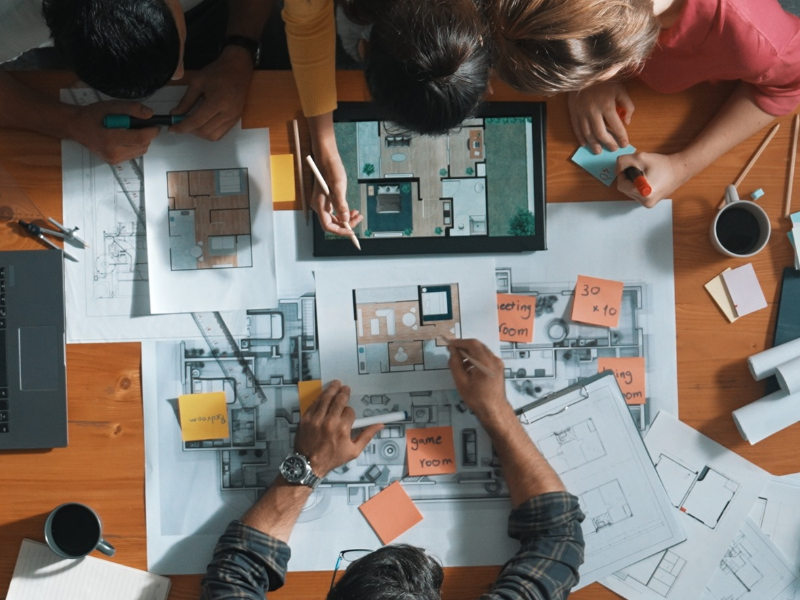
Most overruns happen because items were missed in the original plan, such as electrical changes, ceilings or custom storage. A designer prepares an itemised quotation and a clear scope, so surprises are caught early. A contingency allowance can then be planned instead of discovered.
Less Rework
Rework is one of the biggest hidden costs in any project. Sockets in the wrong place, wardrobes that do not fit, or plumbing lines that block a layout all mean breaking and rebuilding. Good space planning before work starts prevents most of this.
Less Material Wastage
A designer calculates quantities and specifies materials correctly, so you are less likely to over-order, under-order or buy the wrong grade. Over a full home, small errors add up.
Better Vendor Access
Designers work with carpenters, electricians, fabricators and suppliers regularly. This vendor access often means better workmanship, clearer pricing and faster problem solving than a first-time buyer can arrange alone.
Smarter Spending
A designer helps you decide where to spend and where to save. Putting money into the kitchen, wardrobes and lighting, and keeping simpler finishes elsewhere, often gives a better result than spreading the budget evenly.
What You Gain Beyond Money
Not every benefit shows up as a rupee figure.
- Space planning: Layouts that make rooms feel larger and work better for your routine.
- Custom storage: Cupboards and units built to your belongings, not generic sizes.
- Project management and site supervision: One person who coordinates trades and checks quality, so you are not on site every day.
- A realistic timeline: Sequencing work properly avoids delays and clashes between trades.
- Cohesive design: Materials, colours and lighting that work together, so you do not end up buying things twice.
- Resale value: A well-planned, well-finished home is generally easier to present and sell. The effect varies by market, so treat it as a possible benefit, not a guarantee.
When Hiring an Interior Designer May Not Be Worth It
A balanced answer needs a clear “no” as well. Hiring a designer may not make sense when:
- You are only repainting, rearranging furniture or refreshing one room.
- Your budget is very small and your needs are simple.
- You have time, good taste and a reliable contractor you already trust.
- You are happy to handle purchasing, supervision and problem solving yourself.
In these cases, a one-time consultation can be a cheaper middle path.
Interior Designer vs Contractor vs DIY
| Option | Best for | Main risk |
| Interior designer | Full-home projects, custom work, busy owners | Fees add to the total budget |
| Contractor only | Simple execution with a clear plan | No design input, so layout and detailing mistakes are likely |
| DIY | Small updates and decor | Costly errors, time and no accountability |
If your project involves structural changes, you will also need an architect or engineer. Our guide on architect vs interior designer explains when each is needed.
Pros and Cons of Hiring an Interior Designer
Pros
- Clear planning that reduces costly mistakes
- Itemised quotations and defined scope
- Access to trusted vendors and craftspeople
- Coordination and site supervision handled for you
- A more cohesive, functional result
Cons
- Design fees add to your total spend
- Quality varies, so you must check portfolios and references
- A vague scope can lead to disputes if not written down
How to Make Sure You Get Value for Money
- Review the portfolio for completed projects similar to yours, and ask for references.
- Get an itemised quotation that separates design fees, materials, labour and taxes.
- Define the scope in writing, including deliverables, timeline and payment schedule.
- Ask who supervises the site and how often.
- Verify credentials where relevant. Architects must be registered with the Council of Architecture.
- Compare quotes like for like, using the same scope and specifications.
Conclusion
So, is hiring an interior designer worth it? For full-home projects and custom work, usually yes, because the real saving is avoiding rework, overruns and poor purchases, plus the time and stress you save. For small jobs or very tight budgets, you may not need one. Weigh the design fee against your project’s size, complexity and the time you can spare.
Frequently Asked Questions
Is hiring an interior designer worth it for a small flat?
Often yes, because compact homes depend on smart space planning and custom storage. For a very simple refresh, a one-time consultation may be enough.
Does an interior designer really save money?
Usually not by lowering the quote, but by avoiding rework, material wastage and budget overruns. The saving depends on how well the project is planned.
Is a designer cheaper than a contractor?
A contractor alone can look cheaper on paper, but without a design plan the risk of mistakes is higher. Compare the full cost, including likely rework.
Do I still need a designer if I hire a turnkey service?
A turnkey service often includes design, but check what is covered. Ask whether it includes a designer, site supervision and an itemised quotation.
When should I hire an interior designer?
Ideally before construction or renovation begins, so layout, storage and services are planned together.