Interior Designers in Delhi: A Room-by-Room Guide to Home Interior Design
A beautiful home is not just about expensive furniture, stylish walls, or decorative accessories. It is about creating spaces that reflect your personality, support your lifestyle, and make everyday living more comfortable.
In a city like Delhi, where homes range from compact apartments to spacious independent floors and luxury residences, interior design requires a thoughtful approach. Every room has different requirements, and finding the right balance between aesthetics and functionality can make a significant difference.
This is where professional Interior Designers in Delhi play an important role. From planning efficient layouts to selecting suitable materials, lighting, and furniture, experienced designers help transform ordinary spaces into personalised living environments.
Whether you are renovating an existing property or designing a newly purchased home, understanding the essentials of each room can help you make better decisions.
In this room-by-room guide, we explore practical ideas for living rooms, bedrooms, modular kitchens, bathrooms, dining areas, and other important spaces to help you plan a cohesive and comfortable home.
Why Professional Home Interior Design in Delhi Matters
Delhi homes present unique design considerations. Limited floor space, changing weather conditions, natural lighting, ventilation, and individual family requirements can influence interior planning.
Professional home interior design in Delhi focuses on addressing these factors while creating visually appealing spaces.
An experienced designer can help with:
- Efficient space planning and furniture placement.
- Coordinated colours, textures, and finishes.
- Suitable lighting for different activities.
- Practical storage and organisation.
- Material selection based on durability and maintenance.
- Budget planning and project coordination.
Rather than treating every room separately, a well-planned design creates visual continuity throughout the home while allowing individual spaces to maintain their own character.
Room-by-Room Home Interior Design Ideas
1. Living Room: Create an Elegant First Impression
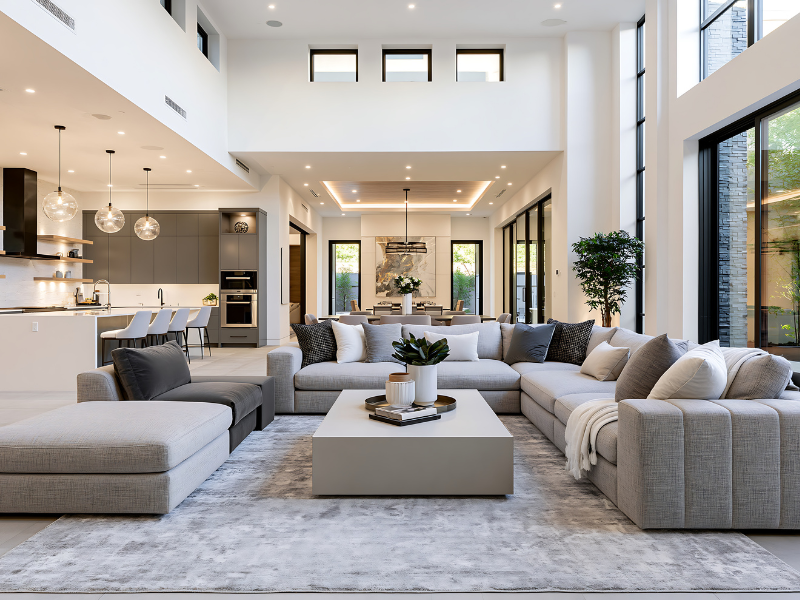
The living room is often the first space visitors notice. It is also where families relax, entertain guests, and spend time together.
A successful living room design should feel welcoming without compromising functionality.
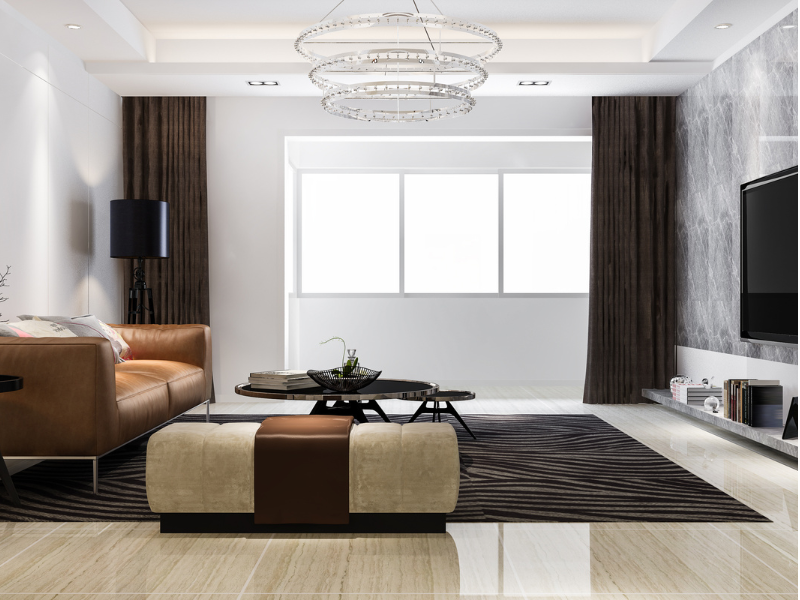
For modern home interior design, consider neutral wall colours, comfortable seating, coordinated furniture, and layered lighting.
Avoid overcrowding the space with oversized sofas or unnecessary decorative pieces.
Practical design ideas:
- Select furniture according to the room’s dimensions.
- Use an area rug to visually connect the seating arrangement.
- Introduce statement lighting or artwork.
- Combine ambient and accent lighting.
- Choose curtains that complement the overall colour palette.
For smaller Delhi apartments, multifunctional furniture and wall-mounted storage can help maintain an open, organised appearance.
2. Bedroom: Balance Comfort with Personal Style
A bedroom should provide a comfortable environment for relaxation while reflecting the homeowner’s personality.
Soft colours, appropriate lighting, comfortable bedding, and practical storage are essential elements of a well-designed bedroom.
Residential interior designers in Delhi often recommend planning the bedroom layout around the bed, wardrobe, and available circulation space.
Instead of filling every corner with furniture, prioritise comfortable movement and everyday convenience.
Bedroom styling ideas:
- Choose a coordinated colour palette.
- Introduce bedside lighting for reading.
- Use upholstered or textured headboards.
- Include customised wardrobes where required.
- Select suitable curtains for privacy and light control.
For compact bedrooms, sliding wardrobes and integrated storage can help maximise usable floor space.
3. Kitchen: Combine Functionality with Modern Design
The kitchen is one of the most frequently used areas of a home, making functionality especially important.
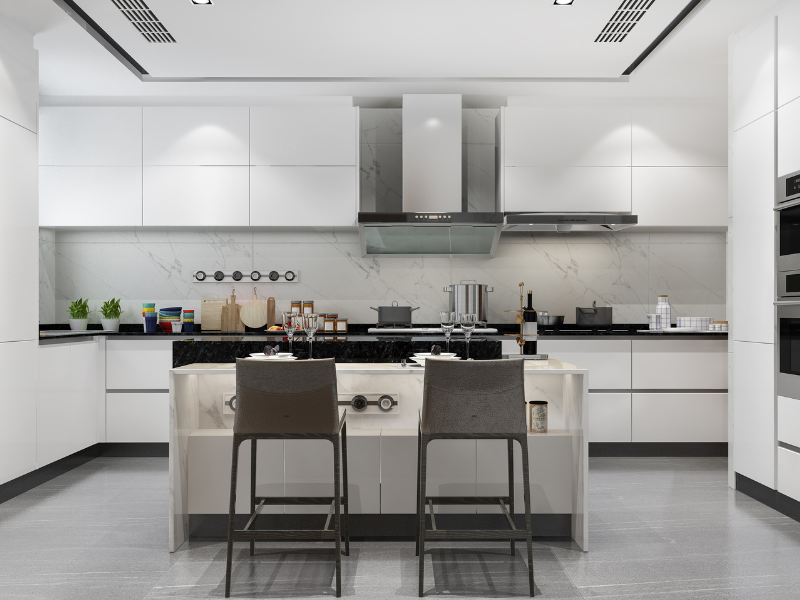
A thoughtfully planned Modular Kitchen Design can improve storage, organisation, and everyday cooking convenience.
Popular layouts include L-shaped, U-shaped, straight, and parallel kitchens. The ideal configuration depends on the room’s dimensions, plumbing connections, appliance requirements, and available movement space.
An L-shaped kitchen, for example, can make effective use of two adjoining walls, while a parallel kitchen may be suitable for narrow rectangular spaces.
Important kitchen design considerations:
- Choose cabinet materials suited to the intended application.
- Plan separate storage for cookware, groceries, and appliances.
- Maintain sufficient countertop preparation space.
- Provide suitable ventilation.
- Include appropriate task lighting.
- Protect moisture-prone areas, particularly around the sink.
For Delhi homes, easy-to-maintain finishes and thoughtfully organised storage can make daily kitchen activities considerably more convenient.
4. Dining Area: Design a Space That Brings Everyone Together
The dining area should encourage comfortable interaction while complementing the surrounding interiors.
Whether you have a separate dining room or a combined living-dining arrangement, furniture proportions are important.
Choose a dining table that accommodates your household while leaving sufficient space for chairs and movement.
A pendant light positioned appropriately above the table can create an attractive focal point.
For compact homes, extendable dining tables or built-in seating may offer additional flexibility.
Keep decorative accessories minimal so the dining surface remains practical for everyday use.
5. Bathroom: Introduce Comfort and Practical Luxury
Bathrooms may occupy a smaller portion of the home, but thoughtful design can significantly improve their usability.
Modern bathrooms often combine simple finishes, organised storage, suitable lighting, and easy-to-clean surfaces.
Consider wall-mounted vanities, recessed storage niches, and coordinated fixtures to create a streamlined appearance.
However, functionality and safety should remain priorities.
Essential bathroom design elements include:
- Suitable anti-slip flooring.
- Effective ventilation.
- Proper waterproofing and drainage.
- Moisture-resistant storage.
- Appropriate mirror and task lighting.
For older Delhi properties, plumbing and waterproofing conditions should be assessed before beginning extensive bathroom renovations.
6. Home Office: Create a Productive Working Environment
With remote and hybrid working becoming part of many professional lifestyles, a dedicated home office can be a valuable addition.
Even if a separate room is unavailable, a well-planned workstation can be integrated into a bedroom or living area.
Position the desk to benefit from suitable natural light while avoiding uncomfortable screen glare.
Invest in an ergonomic chair, adequate task lighting, and accessible storage.
A simple, organised workspace can support concentration without disrupting the overall interior design.
7. Balcony and Outdoor Areas: Make Use of Every Corner
Balconies provide an opportunity to introduce greenery and create a small relaxation area.
Depending on the available space, consider compact seating, suitable outdoor furniture, decorative planters, and weather-resistant finishes.
For Delhi homes, outdoor materials should be selected with dust, heat, rainfall, and maintenance requirements in mind.
Avoid overcrowding the balcony with unnecessary furniture.
A comfortable chair, a small table, and thoughtfully arranged plants may be enough to create an inviting outdoor corner.
How to Maintain a Consistent Design Throughout Your Home
One of the biggest challenges in home interior design is ensuring that individual rooms feel connected.
A living room may feature contemporary furniture, while the bedroom uses warm minimalism and the kitchen incorporates modern finishes. These differences can work beautifully when supported by a consistent design approach.
Professional designers often create continuity through recurring colours, complementary materials, coordinated hardware, and similar lighting temperatures.
For example, repeating subtle wooden finishes across the living room, bedroom, and kitchen can establish visual harmony without making every room look identical.
The goal is to create a home where each space has its own identity while remaining part of a cohesive overall design.
Practical Example: Designing a Modern 3BHK Apartment in Delhi
Consider a family planning the interiors of a newly purchased three-bedroom apartment.
Their primary requirements include additional storage, a comfortable living area, an organised kitchen, and a dedicated work-from-home space.
A practical design approach could include:
- A neutral living room with multifunctional furniture.
- A modular kitchen featuring deep drawers and organised storage.
- A master bedroom with customised wardrobes.
- A children’s bedroom with flexible furniture.
- A guest bedroom incorporating a compact workstation.
- Coordinated lighting and finishes throughout the apartment.
The expected outcome is a home that balances personal preferences with everyday functionality.
This is an illustrative design scenario, not a claim about a completed client project.
Benefits and Limitations of Hiring an Interior Designer
Before beginning a project, it is useful to understand what professional design services can offer.
| Advantages | Considerations |
| Professional space planning | Design fees add to the project budget |
| Coordinated materials and finishes | Design development requires time |
| Customised storage solutions | Changes during execution may increase costs |
| Better project organisation | Service quality varies between providers |
| Guidance on furniture and lighting | Scope and responsibilities must be agreed upon |
The value of hiring a designer depends on their experience, communication, project management approach, and understanding of your requirements.
How to Choose the Right Residential Interior Designers in Delhi
Choosing the right professional is essential for a successful home transformation.
Before finalising an interior designer, consider the following:
- Review completed residential projects similar to your property.
- Discuss your requirements and approximate budget.
- Request a detailed quotation with material specifications.
- Understand the design and execution process.
- Confirm estimated timelines and payment milestones.
- Ask about warranties and after-sales support.
A reliable designer should explain recommendations clearly and help you understand the practical implications of different design decisions.
Frequently Asked Questions
1. How much does home interior design cost in Delhi?
The cost depends on property size, project scope, material selection, furniture requirements, and the level of customisation. Request an itemised quotation based on your actual requirements rather than relying entirely on general price estimates.
2. Which interior design style is best for Delhi apartments?
Modern, contemporary, and minimalist styles can work well for apartments. However, the ideal approach depends on available space, natural lighting, lifestyle, and personal preferences.
3. Can interior designers help with modular kitchen planning?
Yes. Many residential interior designers offer modular kitchen planning, including layout development, cabinet design, storage organisation, and material selection. Confirm the services included before hiring.
4. How long does a complete home interior project take?
Timelines vary according to property size, design complexity, manufacturing requirements, and site conditions. Ask your designer for a written project schedule with clear milestones.
5. Is hiring an interior designer necessary for a small apartment?
It is not mandatory, but professional guidance can be valuable when working with limited space, customised storage requirements, or complex renovation needs.
Conclusion: Create a Home That Reflects Your Lifestyle
Every room in your home serves a different purpose, and thoughtful interior planning ensures that these spaces work together beautifully.
From comfortable living rooms and personalised bedrooms to practical modular kitchens and elegant bathrooms, successful home design balances aesthetics, functionality, and everyday convenience.
Working with experienced Interior Designers in Delhi can help you make informed decisions about layouts, materials, furniture, and finishes while maintaining a consistent design throughout your property.
At Artisans, the focus is on understanding your vision and exploring interior solutions that complement your space and lifestyle.
Planning a home makeover? Connect with Artisans to discuss your interior design requirements and take the first step towards creating a home that feels truly yours.